

Book a Bespoke Dream Trip With Us!
We can create a dreamy bespoke trip or organise your holiday for you. From city hopping in Japan to dog-friendly holidays in France…


AS SEEN ON











Meet The Grasshoppers
Global Grasshopper is an award-winning blog and resource for independent travelers. Run by Becky and her team of self-confessed travel snobs together they’re unraveling the secrets of the world’s most unique, under-the-radar, and beautiful places. Whether you are a backpacker, a flashpacker, or just prefer to holiday away from the crowds, follow along for travel inspiration for the road less traveled.

READ BIO

Becky Moore
Owner, writer and photographer
My first true adventure began as a six month voyage around South East Asia as a fresh faced backpacker and ever since I’ve lived a semi nomadic existence, clocking up visits to over 40 countries. I’m a lover of US Road Trips, deserted beaches bathed in warm glow of a sunset, Cuban mojitos, travel destinations far away from the tourist crowds and all things Scandinavian – from cloudberry liquors to Nordic noirs. When not wandering the world and running Global Grasshopper, you’ll find me walking my ex Athens street dog in leafy South West London, strolling around the Brighton Lanes on random day trips, hunting for photogenic landscapes or daydreaming about my favourite places; Havana, Copenhagen, Italy, Borneo, Finland, Greece, Berlin, Laos, California and the surreal and beautiful landscapes of a wintry Iceland.
I’ve been quoted in Forbes, National Geographic, The Times, Yahoo Travel, Huffington Post, Business Insider, Lonely Planet, The Travel Channel, British Airways Magazine, Entrepreneur, Daily Express, Wanderlust, Telegraph Travel, Daily Mail and Expedia. Find me on Linkedin or Facebook.
READ BIO

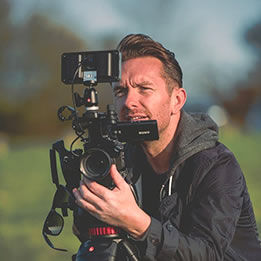
Gary Nunn
Videographer, photographer and writer
Gary is an award winning full time professional photographer and videographer with too much wanderlust for his own good. Fueled by strong coffee, you’ll often find him wandering well off hiking trails in search of interesting photographic subjects or scenery to video. Self taught and with the use of pioneering digital techniques, he quickly built up a strong client base and has worked with many prestigious organizations, including GQ, BBC, London Fashion Week, Grazia, Sky, Metro, Vogue Italia. He specializing in evocative images of people, places and cinematic videography and his goal is to make the viewer look twice and engage. As well as a penchant for good design, travel, starting up new businesses, the ketogenic diet and Hungarian Vizslas, he also has a huge affection for Chicago, Bucharest, Scandinavia, Croatia and absolutely everywhere in Italy. Find Gary on Instagram, Twitter, Facebook, YouTube or his Website.

READ BIO
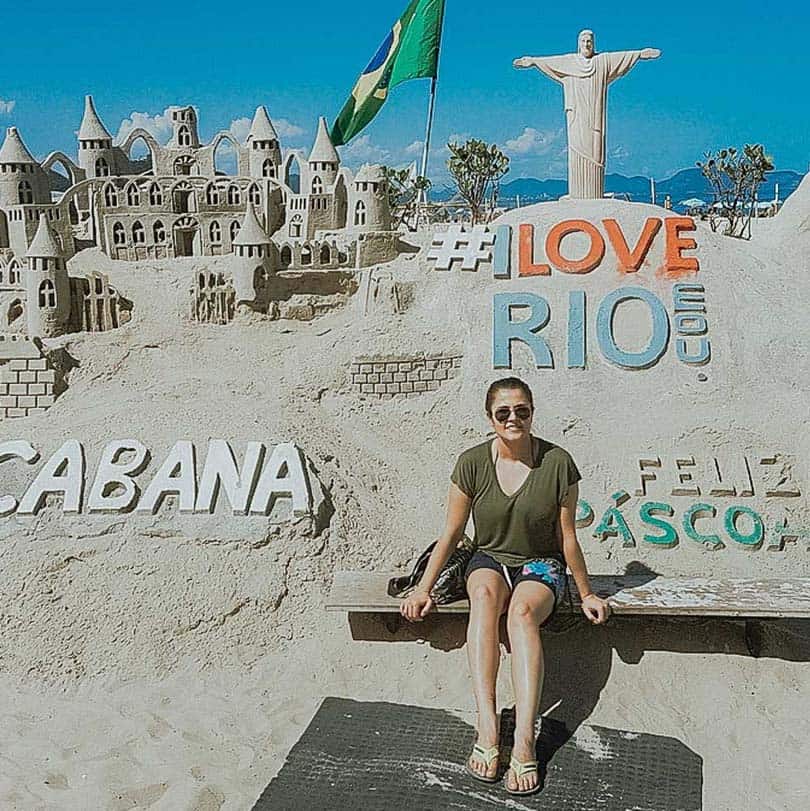
Gaby Maia
Writer and Photographer
Born and raised in Brazil, Gaby has always had a taste for the intriguing, the off-beat and the far flung. After traveling around most of South America, living in Spain and Italy and then moving to England, her feet have stayed continually twitchy. Studying for a degree in Spanish translation and then learning five more languages only poured more fuel onto her traveling ardor. Gaby likes nothing better than discovering new destinations in her spare time and meeting the locals, tasting the cuisine and then writing about her favourite places. Her other indulgences include French cinema, boxing, photography, colourful manicures and soaking up the rays on a sun-infused beach. The places she loves the most include Rio de Janeiro, Rome, Turkey, Barcelona, Lisbon and Cornwall. Find Gaby on Linkedin or Twitter.
READ BIO

Beth Pinches
Writer and Photographer
Beth was born under a wandering star, with drama in her veins and ink in her pen. After stints studying theatre in Dublin and Utrecht she used her creative streak to see as much of the world as she could on as little money. She toured Italian Schools with a children’s theatre troop, lived as an au-pair in both Rome and Washington DC, explored the British countryside, worked her way through much of Europe, Salsa danced in Cuba and road tripped down America’s west coast where she discovered her spiritual home; Portland, Oregon. Other places she loves include Croatia, Finland, Japan and India. In between adventures, travel writing and performing she resides peacefully with her family, cats and ukulele. Find Beth on Linkedin or Facebook.
READ BIO

Scott Balaam
Writer and photographer
Scott started his travelling life back in 1999, when he headed off on a solo jaunt to South Africa, Australia, New Zealand and South East Asia with just a backpack, a camera and a spirit for adventure. After that, the travel bug bit hard and now he is always seeking to head off somewhere new. Over the years he has lived in Italy, Qatar, Australia, Ireland, UK and the USA but his spiritual home will always be Rome as this is the city which most satisfies his unrelenting thirst for culture, good food and great football. In his spare time Scott loves nothing better than to be behind the camera and also runs his own blog and Instagram page. He also counts Melbourne, the rest of Italy, Amsterdam, USA, Athens, Cape Town and Tel Aviv among his favourite places. Find Scott on Linkedin, Instagram or Twitter.
READ BIO

Emma-Clair Ni Clearaigh
Writer and Photographer
With itchy feet, an inquisitive nature and an ardent wanderlust, Emma Clair has always been a traveller at heart. Hailing from the Emerald Isle she calls a small coastal town near Dublin home, but has lived in a few countries including Saigon, Vietnam where she resided for over a year, now she balances travel and travel writing with teaching and a passion for vintage interior design. She counts supping on Bloody Marys on a rooftop in Manhattan, downing Singapore slings at the Raffles Hotel, daring a paraglide on the Grand Cayman, spending an exotic Christmas in Malaysia and exploring the Angkor Wat, Cambodia as her all time favourite travel moments. Although, she’ll always have a special place in her heart for the city where she makes her annual pilgrimages – Paris, her true city of lights. Find Emma-Clair on Instagram or Facebook.
READ BIO

Lee Hubbard
Writer and Photographer
Lee mostly spent his formative years as a junior Spielberg wannabe, devouring movies in front of a cinema screen, but then a “year out” after graduating turned into a not-too-shabby six years of working, travelling and volunteering across the globe. Attempting to satisfy his curiosity and passion for discovery both at home and abroad, he became a concierge at a luxury hotel and a member of the prestigious Les Clefs d’Or, whilst still finding time to visit over 60 countries in his time off. On his jaunts he combines all his passions – seeking out film locations, discovering off-the-beaten track adventures and extraordinary wildlife encounters which so far have included meetings with orangutans, whale sharks, gorillas and polar bears. He counts New Zealand, Canada, Tanzania, Denmark, Borneo and Mongolia among his favourite travel destinations. Find Lee on LinkedIn or Facebook.
READ BIO

Michael Anderson
Writer and Photographer
Ever since he was knee-high to a grasshopper Michael has always had an affinity for adventure. Growing up he was lucky enough to live in a handful of exotic far flung locations including Hong Kong, Pakistan, Kenya and Tanzania and since then he’s continued seeking out new places and cultures. In his spare time he explores everywhere from the sizzling street markets in Bangkok to random back alleys in Sri Lanka and everything in between! He also has a special fondness for Cohibas, trying all kinds of street food, playing carrom with random strangers, and fine wine – he knows his clarets from his chiantis. He counts Cuba, Amsterdam, Indonesia, Goa, Cambodia and Italy as his favourite destinations. Find Michael on Instagram or Twitter.
Sign up for the latest GG updates


Follow us on
Instagram
Follow along to unravel the secrets of the world’s most
unique, under-the-radar, and beautiful places.


FIND THE WORLD’S MOST BEAUTIFUL PLACES
- Top 20 Most Beautiful Places to Visit in Austria

- Top 22 Most Beautiful Places to Visit in Greece

- Top 22 Most Beautiful Places to Visit in Italy

- Top 20 Unspoilt Resorts in Majorca for Travel Snobs
- Top 20 Most Beautiful Places to Visit in Cyprus
- Top 20 Quiet and Authentic Resorts in Italy for Travel Snobs

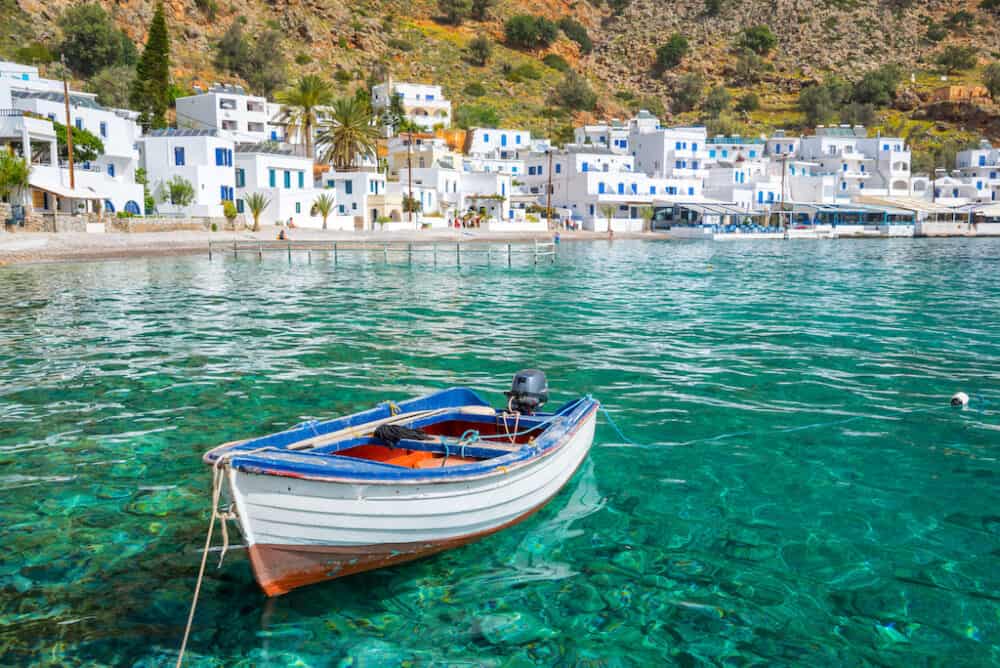
- Top 20 Unspoilt Places to Visit in Crete for Travel Snobs

- 15 Unspoilt Places to Visit in Corfu for Travel Snobs



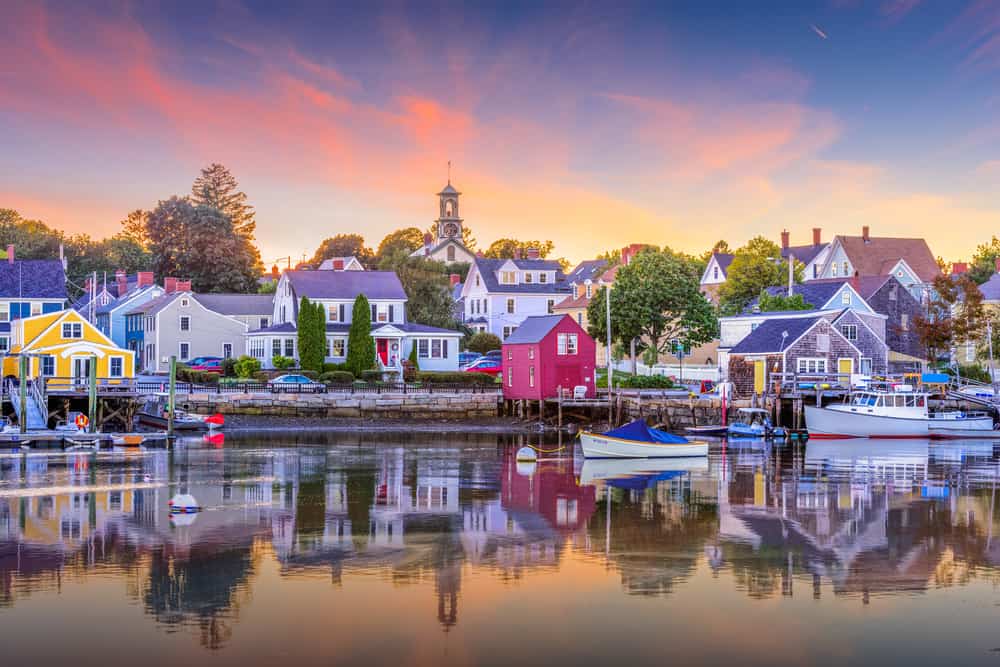
- Top 20 Amazing Places to Visit in July in the USA
- Top 20 Amazing Places to Explore in April in the USA
- Top 20 Amazing Places to Visit in June in the USA
- Top 20 Awesome Places to Visit in May in the USA
- Top 20 Beautiful Places to Visit in Idaho
- Top 20 Amazing Places to Visit in February in the USA

- Top 20 Awesome Places to Visit in January USA
- Top 20 Most Beautiful Places to Visit in Mexico










Winner
Best UK Travel & Leisure Blog
- Ranked as a top Travel Authority in the UK by Agility PR Solutions
- Nominated as the best female travel blogger in the Teletext Holiday Awards 2019
- British Annual Canada Travel Awards Finalist 2018
- Nominated for the Best UK Travel Blog 2018
- Cheapflights Travel Blog Awards Nominee 2017